Summer comfort indoors: the essential role of external solar shading
638545596057194332.jpg?width=&height=&mode=crop "Summer comfort indoors: the essential role of external solar shading")
As climate change becomes an increasingly pressing issue every year, the design of residential buildings, schools, hospitals and offices needs to be adapted to ensure a comfortable and healthy indoor environment. DUCO can help with its external solar shading solutions.
The growing need for external solar protection
As climate change becomes an increasingly pressing issue year on year, the design of residential buildings, schools, hospitals and offices must adapt to guarantee a comfortable and healthy indoor climate. DUCO can help with their external solar shading solutions.
External solar shading systems have become an indispensable solution for new builds and renovation projects — not least because they help meet increasingly stringent standards for energy efficiency and indoor air quality. These systems offer a passive, energy-efficient way to protect buildings from solar radiation without contributing to greenhouse gas emissions.
The benefits and added value of external solar shading
Improved thermal comfort
External solar shading significantly improves indoor thermal comfort by preventing excessive solar heat gain. This keeps interior spaces cool and comfortable, even during the warmest months. By blocking direct sunlight, these systems reduce the need for air conditioning — resulting in lower energy consumption and reduced electricity bills.
Enhancing energy efficiency
By reducing the need for mechanical cooling systems, external solar shading delivers significant energy savings. This reduction in energy consumption translates into a lower carbon footprint, making buildings more environmentally friendly. Integrating solar shading into building design is a proactive step towards energy-efficient living
Protection against glare and UV radiation
Solar shading not only keeps interiors cool, but also protects against glare and harmful UV rays. This is particularly important in environments such as schools and offices, where glare can hinder productivity and cause discomfort. UV protection also helps extend the lifespan of interior furnishings by preventing fading and degradation.
Improving indoor air quality
By reducing the need for mechanical cooling, external solar shading promotes better indoor air quality. Air conditioning systems can sometimes circulate dust and allergens, whilst drying out the air. Less use of these systems means cleaner, healthier air — crucial in healthcare settings, where maintaining high air quality is of the utmost importance.
Architectural flexibility and aesthetic appeal
Modern solar shading solutions can also enhance the aesthetic appeal of buildings. From architectural louvres to elegant sliding and folding panels, these systems can be tailored to any architectural style. This not only improves the visual impact of buildings but also increases their market value. Beyond the visual aspect, the building is also prepared for climate change without relying on energy-hungry air conditioning for summer comfort.
DUCO solutions
Since its foundation in 1991, DUCO — specialist in ventilation and solar shading — has clearly understood this message, continuously striving for innovative solutions that are both functional and aesthetic, for residential and non-residential buildings alike. The DUCO range offers a wealth of possibilities.
Environmental protection is one of DUCO's core concerns, and its R&D engineers continuously develop holistic thermal comfort solutions that combine daytime solar shading with night-time ventilation and ventilative cooling for "thermal discharge" during the night.
Choosing a DUCO architectural solar shading system not only adds a distinctive touch to the aesthetics of the façade thanks to its understated, clean design — it also ensures that solar radiation is blocked in a natural and energy-efficient way, whilst maintaining a pleasant level of natural light.
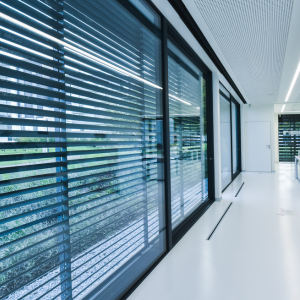
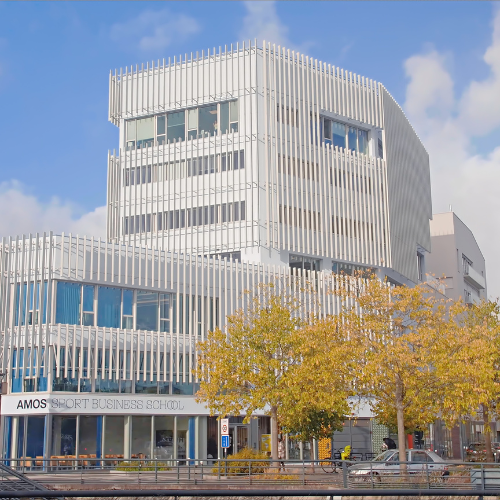
The architectural variants offer a choice of horizontal or vertical solar shading systems. Horizontally positioned systems keep heat out during the warmest months of the year (May to September) whilst allowing the warmth of low-angle sunlight through during the cooler months (October to April) — resulting in optimum energy savings by making the most of free solar gain. Vertically mounted systems on the façade offer maximum privacy whilst preserving the view to the outside.
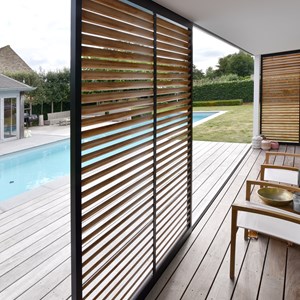
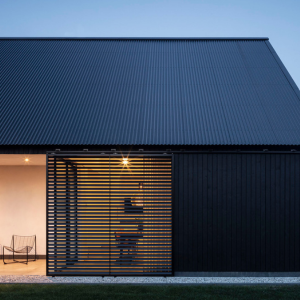
The DucoSlide range comprises various types of sliding and folding panels. The refined aluminium frame can be combined with different types of infill (aluminium or timber louvres, with or without perforations for a subtle interplay of light and shadow, as well as perforated sheets, and more).
As a structural solution, the DucoSun range is perfectly suited to achieving optimum results.
Conclusion
As climate change continues to impact our environment, the importance of external solar shading in maintaining summer comfort in buildings cannot be overstated. By improving thermal comfort, enhancing energy efficiency, providing protection against glare and UV radiation, and promoting better indoor air quality, external solar shading systems offer a complete solution for modern building design. Choosing the ideal shading solution for your project depends on the available budget, technical requirements, and of course personal preference. DUCO has a solution for every project. In short, with DUCO you can be confident you are well prepared for the warmer months of the year!
.png "Blog-Brise-soleil Batiweb")
.png "Blog-Brise-soleil Batiweb")
.png "Blog-Brise-soleil Batiweb")
.png "Blog-Brise-soleil Batiweb")